The Science Behind Balanced Grain Bowl Recipes for Optimal Health
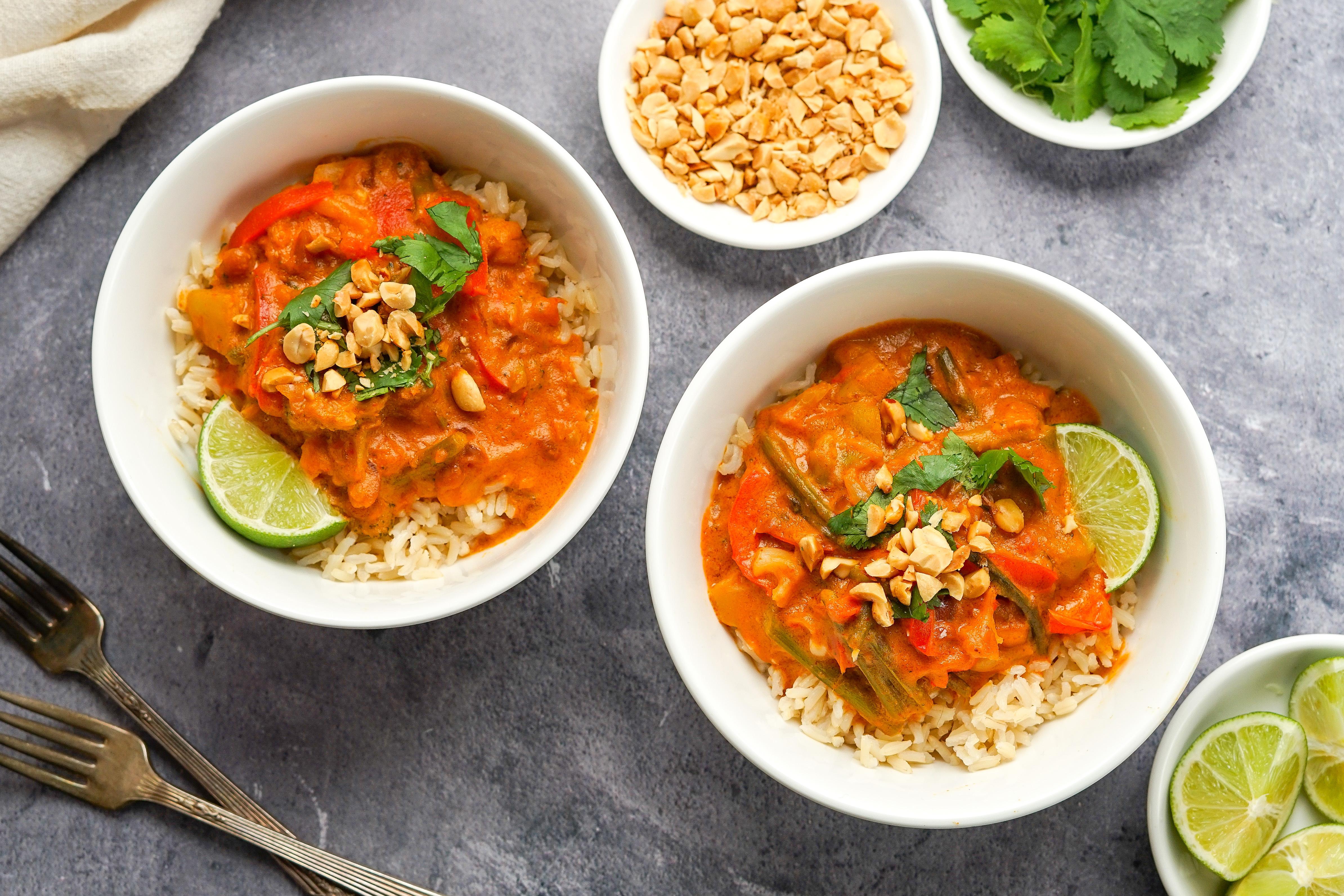
Grain bowls have become a popular choice for health-conscious individuals seeking a nutritious and versatile meal. But what exactly makes a grain bowl balanced and beneficial for your health? In this article, we’ll explore the science behind creating grain bowl recipes that not only satisfy your taste buds but also support optimal well-being.
Understanding the Nutritional Foundation of Grain Bowls
At their core, grain bowls are meals centered around whole grains such as quinoa, brown rice, barley, or farro. These grains provide complex carbohydrates that offer sustained energy release and are rich in fiber to aid digestion. Incorporating a variety of grains ensures you benefit from different nutrient profiles, including essential vitamins like B-complex and minerals such as magnesium and iron.
Incorporating Protein for Muscle Repair and Satiety
A balanced grain bowl includes a quality protein source which is vital for muscle repair, immune function, and keeping you full longer. Plant-based proteins like chickpeas, lentils, tofu, or tempeh complement the grains well by providing amino acids necessary for body functions. For those who eat animal products, grilled chicken or boiled eggs can be excellent choices to enhance protein content.
Adding Vegetables to Boost Micronutrients and Fiber
Vegetables add color, flavor, antioxidants, vitamins (such as A and C), minerals like potassium, as well as additional fiber to your grain bowl. Including leafy greens (spinach or kale), cruciferous vegetables (broccoli or Brussels sprouts), and other colorful veggies enriches the meal with phytonutrients that support overall health by reducing inflammation and oxidative stress.
Including Healthy Fats for Heart Health
Healthy fats from sources like avocado slices, nuts (almonds or walnuts), seeds (chia or flaxseed), or olive oil contribute essential fatty acids that promote cardiovascular health. These fats also assist in absorbing fat-soluble vitamins present in vegetables while adding creaminess and texture to your bowl.
Balancing Flavors with Dressings and Herbs
To make your grain bowl both delicious and satisfying without compromising health benefits, opt for dressings made from natural ingredients such as lemon juice combined with olive oil or tahini-based dressings. Fresh herbs like cilantro or parsley not only enhance flavor but also contain antioxidants that further improve the nutritional profile of your meal.
By carefully combining whole grains with proteins, vegetables, healthy fats, and flavorful dressings based on scientific principles of nutrition balance, you can create delicious grain bowls tailored to support optimal health. Experimenting with different ingredients allows you to enjoy variety while nourishing your body effectively.
This text was generated using a large language model, and select text has been reviewed and moderated for purposes such as readability.