The Ultimate Guide to Using Food Storage Tools Effectively at Home
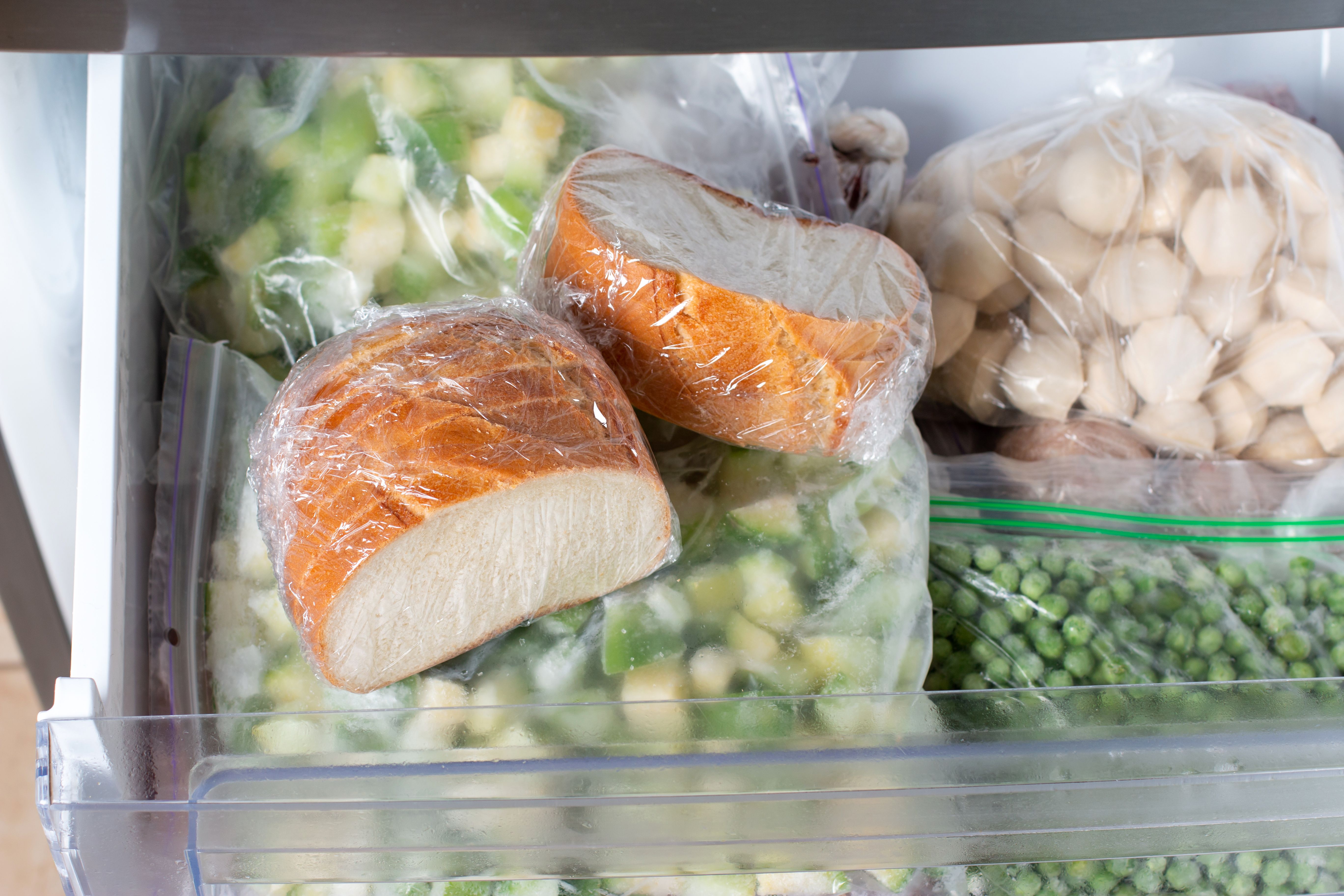
Keeping your food fresh and organized is essential for a healthy lifestyle and reducing waste. With the right food storage tools, you can extend the life of your groceries, save money, and keep your kitchen tidy. This guide will walk you through the best types of food storage tools and how to use them effectively at home.
Why Invest in Quality Food Storage Tools?
Quality food storage tools help maintain the freshness of your ingredients by preventing exposure to air, moisture, and contaminants. They also promote better organization in your fridge and pantry, making it easier to find what you need quickly. Investing in durable containers reduces plastic waste by encouraging reuse compared to single-use bags or wraps.
Top Types of Food Storage Tools
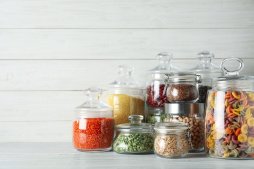
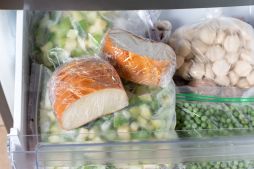
There are several types of food storage solutions available. Airtight containers made from glass or BPA-free plastic are ideal for leftovers and dry goods. Silicone bags provide a flexible, reusable alternative to disposable plastic bags. Vacuum sealers remove air completely from packaging, extending shelf life significantly. Additionally, stackable bins can help organize produce or snacks efficiently.
How to Choose the Right Containers for Your Needs
When selecting containers, consider size variety to accommodate different foods—from small portions like nuts to large items like casseroles. Opt for transparent materials so you can easily identify contents without opening them. Also look for microwave-safe and dishwasher-safe options for convenience when reheating or cleaning.
Tips for Effective Food Storage at Home
Label all stored items with dates using waterproof markers or labels so you can monitor freshness easily. Store raw meats separately in leak-proof containers on lower fridge shelves to avoid cross-contamination. Keep fruits and vegetables in designated drawers with humidity control settings where possible.
Maintaining Your Food Storage Tools
Regularly clean your containers thoroughly with warm soapy water or run them through a dishwasher cycle if safe for use there. Inspect seals on lids frequently; replace any that are cracked or no longer close tightly as this compromises airtightness.
By choosing the best food storage tools tailored to your lifestyle and following these practical tips, you’ll enjoy fresher meals while reducing waste and keeping your kitchen well-organized.
This text was generated using a large language model, and select text has been reviewed and moderated for purposes such as readability.