
Eco-Friendly Freezer Storage Solutions That Save Money and the Environment
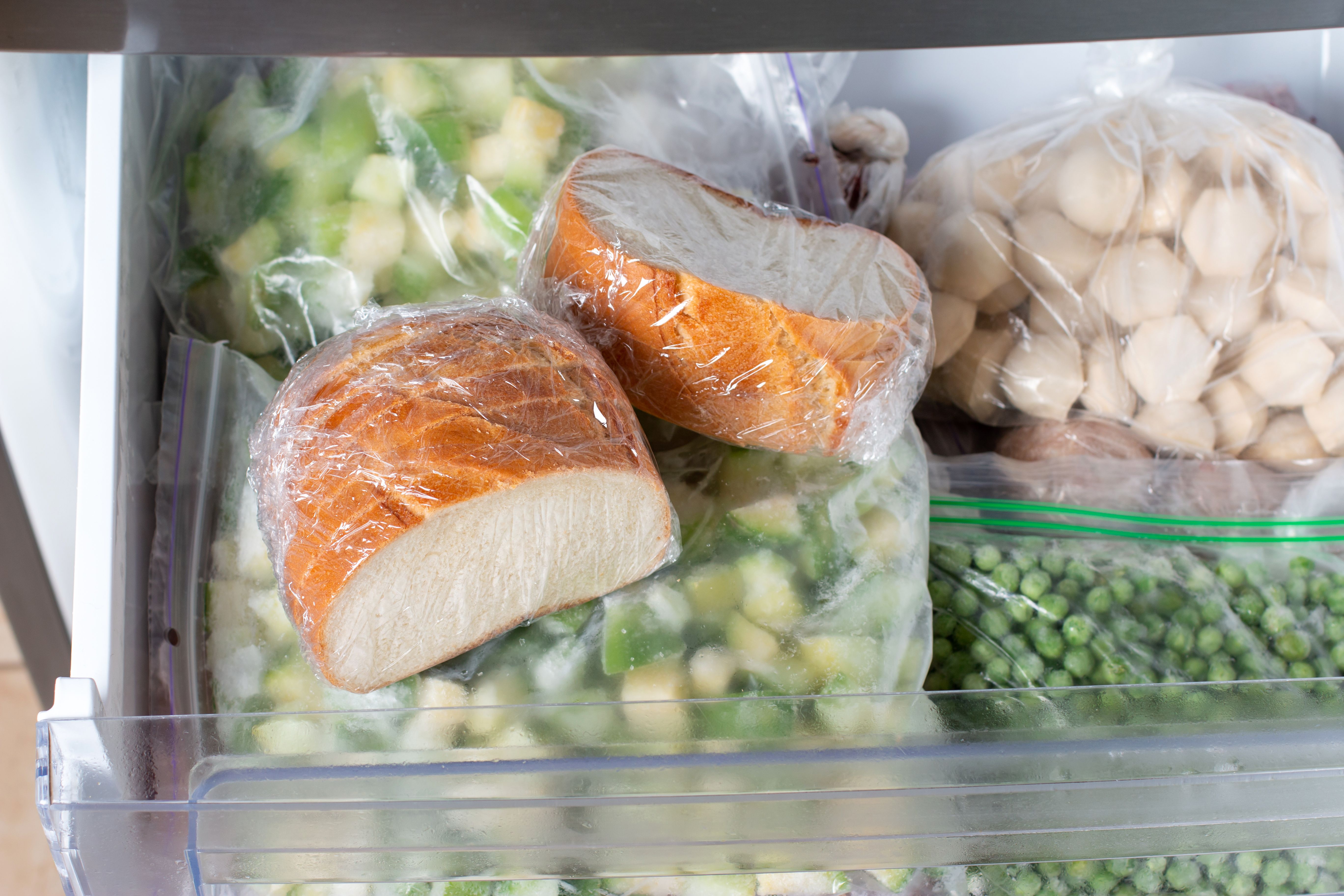
Freezing food is an excellent way to reduce waste and save money, but traditional freezer storage methods can sometimes be harmful to the environment. Fortunately, there are eco-friendly freezer storage solutions that not only protect your food but also help minimize your environmental footprint. Let’s explore practical tips and products that make freezer storage both sustainable and cost-effective.
Choose Reusable Storage Containers
One of the best ways to make your freezer storage eco-friendly is by using reusable containers. Glass containers with tight-fitting lids or durable silicone bags can replace single-use plastic bags or wraps. They provide airtight seals that keep food fresh longer while reducing plastic waste. Investing in these containers ultimately saves money because they last indefinitely and prevent costly food spoilage.
Opt for Biodegradable or Compostable Packaging
If you prefer disposable options, look for biodegradable or compostable packaging made from plant-based materials like cornstarch or bamboo fiber. These alternatives break down naturally without leaving harmful residues, unlike conventional plastics that contribute to landfill buildup. Many brands now offer compostable freezer bags and wraps designed specifically for cold temperatures, enabling convenient yet responsible food storage.
Label and Portion Your Food Effectively
Proper labeling helps avoid forgotten items languishing in the back of your freezer and reduces food waste—a key aspect of eco-conscious living. Use reusable chalkboard labels or washable markers on containers instead of paper stickers whenever possible. Additionally, portioning meals into smaller servings prevents thawing more than necessary, conserving energy by reducing repeated freezing cycles.
Maintain Your Freezer’s Efficiency
An efficient freezer uses less energy, lowering both your utility bills and environmental impact. Keep your freezer at the recommended temperature (usually around 0°F/-18°C), avoid overloading it to allow proper air circulation, and regularly defrost manual models to prevent ice build-up that reduces efficiency. Organizing stored items so you can quickly find what you need also minimizes door-open time, cutting down on wasted energy.
Freeze Foods Properly Using Eco-Friendly Techniques
Before freezing fruits or vegetables, briefly blanching them preserves nutrients longer while decreasing spoilage risk—this reduces potential waste. Freeze foods flat in reusable silicone bags to save space rather than bulky rigid containers; this means fewer trips opening the door searching for items too. Finally, try batch cooking meals at home using seasonal produce then freeze portions responsibly with environmentally safe packaging options.
Adopting eco-friendly freezer storage solutions is a simple yet impactful way to save money while protecting our planet. By choosing reusable or biodegradable materials, properly organizing frozen goods, maintaining appliance efficiency, and applying smart freezing techniques, you create a sustainable kitchen environment that benefits both your household budget and the Earth.
This text was generated using a large language model, and select text has been reviewed and moderated for purposes such as readability.