
Tangy vs. Sour: Understanding the Difference in Flavor Profiles
When it comes to food, flavors play a crucial role in shaping our eating experience. Two terms that often get mixed up are ‘tangy’ and ‘sour.’ While they are related, understanding the subtle differences between these flavors can help you better appreciate and incorporate them into your cooking. Let’s dive into what sets tangy and sour apart, and explore some delicious food ideas featuring each flavor.
What Does Tangy Mean?
Tangy refers to a sharp, zesty flavor that is both slightly sour and sweet or fruity at the same time. It is often described as lively or piquant, providing a refreshing brightness to dishes without being overwhelmingly acidic. Common tangy foods include citrus fruits like oranges and certain dressings or sauces that balance acidity with sweetness.
Understanding Sour Flavors
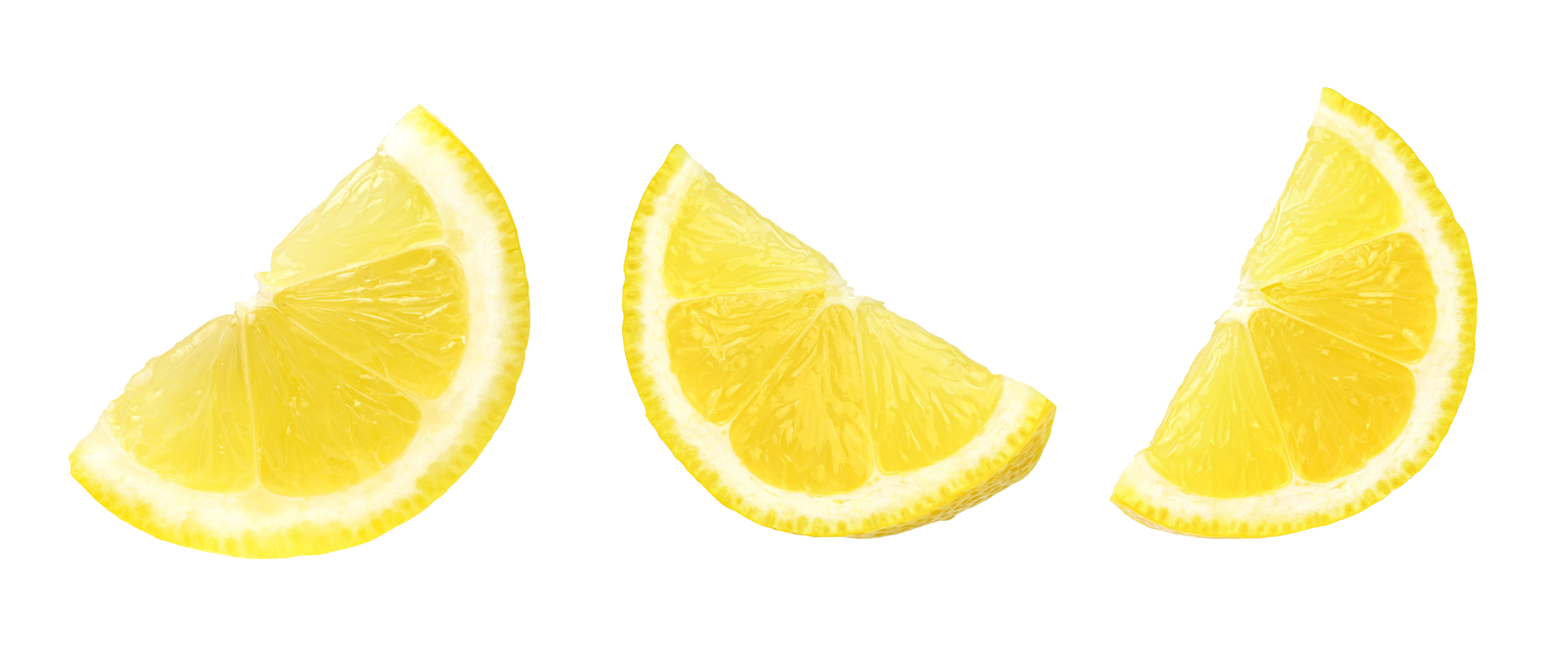
Sourness is one of the basic tastes characterized by an acidic sharpness that can make your mouth pucker. This flavor comes from acids such as citric acid (in lemons), acetic acid (in vinegar), or lactic acid (in yogurt). Unlike tangy flavors which have balance, sour flavors tend to be more straightforwardly acidic and tart.
Food Ideas Featuring Tangy Flavors
Incorporating tanginess into your meals can brighten up dishes wonderfully. Consider adding lemon zest or orange juice to marinades for chicken or fish. A tangy barbecue sauce made with pineapple juice can add complexity to grilled meats. Tangy salad dressings combining vinegar with honey also create vibrant flavor contrasts perfect for leafy greens.
Exploring Sour Food Ideas
Sour foods bring a punch of acidity that can cut through rich or fatty ingredients effectively. Think about classic dishes like sauerkraut paired with sausages, pickled cucumbers on sandwiches, or Greek yogurt topped with fresh berries for a refreshing snack. Adding a splash of vinegar to soups or stews can enhance depth and brightness.
Balancing Tangy and Sour in Your Cooking
The key to mastering these flavors lies in balance—too much sourness might overpower your dish, while too subtle tanginess could leave it feeling flat. Try experimenting by mixing both; for example, use lemon juice (sour) alongside honey (sweet) for dressings that deliver complex taste profiles. Understanding when each flavor works best enables you to elevate everyday recipes effortlessly.
Recognizing the difference between tangy and sour flavors opens up new possibilities in your culinary adventures. By thoughtfully incorporating both taste profiles into your cooking repertoire, you’ll create meals bursting with excitement and freshness every time.
This text was generated using a large language model, and select text has been reviewed and moderated for purposes such as readability.