
From Appetizers to Desserts: Using Tangy and Sour Elements in Cooking
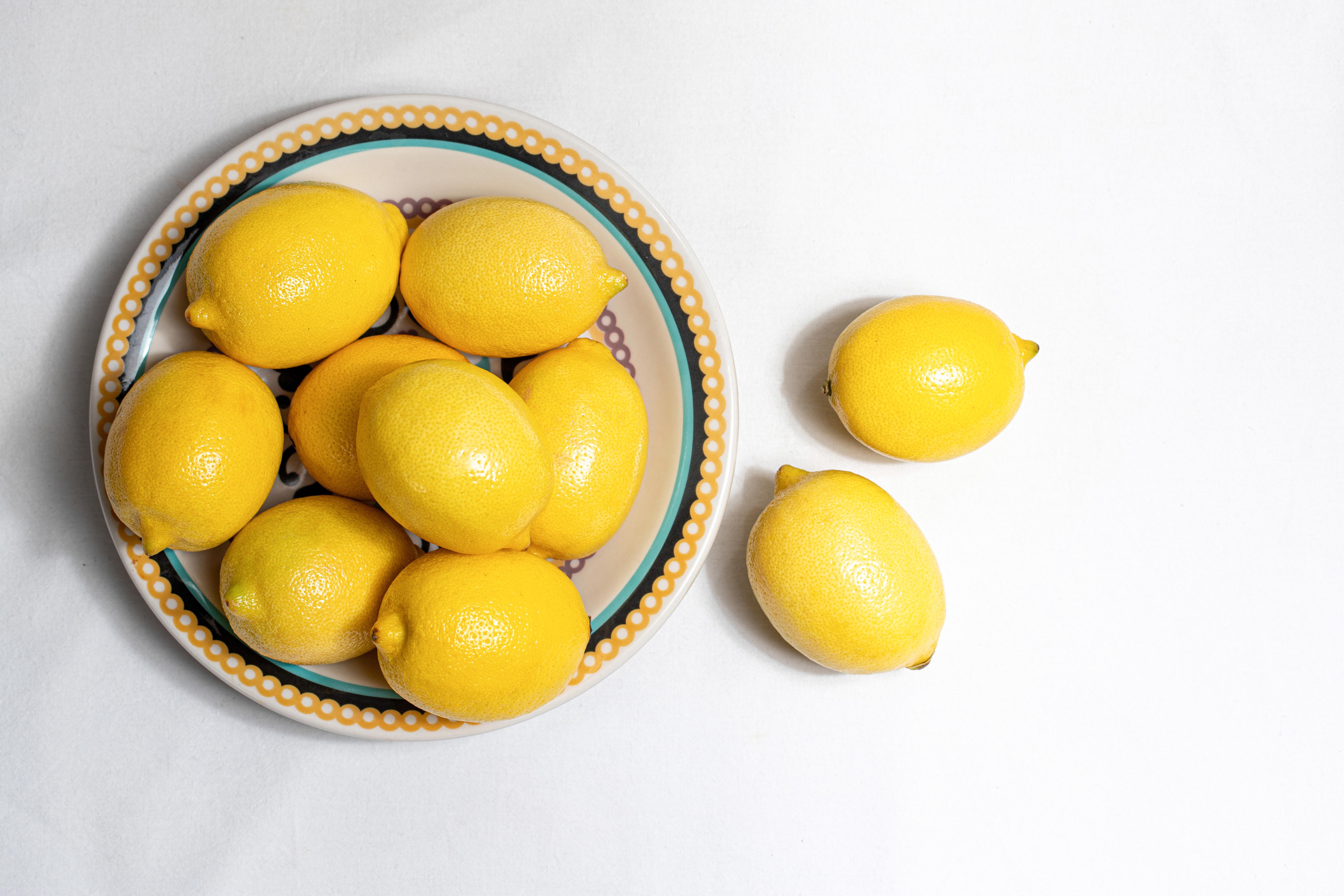
Tangy and sour flavors have a unique way of enlivening dishes, adding brightness and complexity that can transform everyday meals into memorable culinary experiences. Whether you’re preparing an appetizer, main course, or dessert, incorporating these flavors can invigorate your cooking and delight your taste buds.
The Appeal of Tangy and Sour Flavors
Tanginess and sourness stimulate the palate by balancing richness and cutting through heaviness in dishes. These flavors come from ingredients like citrus fruits, vinegar, tamarind, yogurt, and fermented products. Their acidity not only enhances taste but also helps preserve food and aids digestion. Understanding how to use tangy and sour elements effectively allows you to create well-rounded meals that keep diners coming back for more.
Tangy and Sour Appetizer Ideas
Start your meal with appetizers that feature vibrant tangy notes. Consider dishes like pickled vegetable platters where cucumbers or radishes are marinated in a vinegar-based brine for a zesty bite. Another delicious option is shrimp ceviche prepared with fresh lime juice which ‘cooks’ the seafood while providing refreshing tartness. Adding a drizzle of tamarind sauce over grilled chicken skewers can also add an exciting sour dimension to starters.
Main Courses Enhanced with Sour Ingredients
Main dishes benefit greatly from the depth tangy components bring. For example, a Thai green curry balanced with lime juice brightens the coconut milk base beautifully. Incorporating pomegranate molasses in Middle Eastern stews lends both sweetness and acidity that deepen flavor profiles. Even classic comfort foods like pulled pork sandwiches gain vibrancy when paired with coleslaw dressed in apple cider vinegar.
Desserts That Celebrate Tanginess
Don’t limit tanginess to savory meals—desserts can shine too. Lemon bars are timeless for their refreshing sour punch contrasted by sweet crusts. Sorbets made from passionfruit or green apple offer palate-cleansing sharpness ideal for warm days or after heavy meals. Additionally, incorporating yogurt or buttermilk into cakes provides subtle tartness enhancing moisture and texture while balancing sweetness.
Tips for Balancing Tangy And Sour Flavors In Your Cooking
While tangy elements enliven food, balance is key; too much acid can overpower other flavors or cause discomfort when eaten excessively. To achieve harmony: pair sour notes with natural sweetness (like honey or fruit), add fat (such as avocado or cream) to mellow intensity, taste frequently during cooking, start by using small amounts of acidic ingredients then adjust gradually according to preference.
Embracing tangy and sour elements across your menu—from appetizers through desserts—opens up exciting avenues for creativity in the kitchen. By thoughtfully combining these bright flavors with complementary ingredients, you can elevate everyday recipes into spectacular dishes full of zestful character.
This text was generated using a large language model, and select text has been reviewed and moderated for purposes such as readability.